SCIENCE · EVIDENCE · PERSPECTIVE
Cellular energy sensing · AMPK pathway research
AICAR
RESEARCH GUIDE
THE PRODUCT
What it is
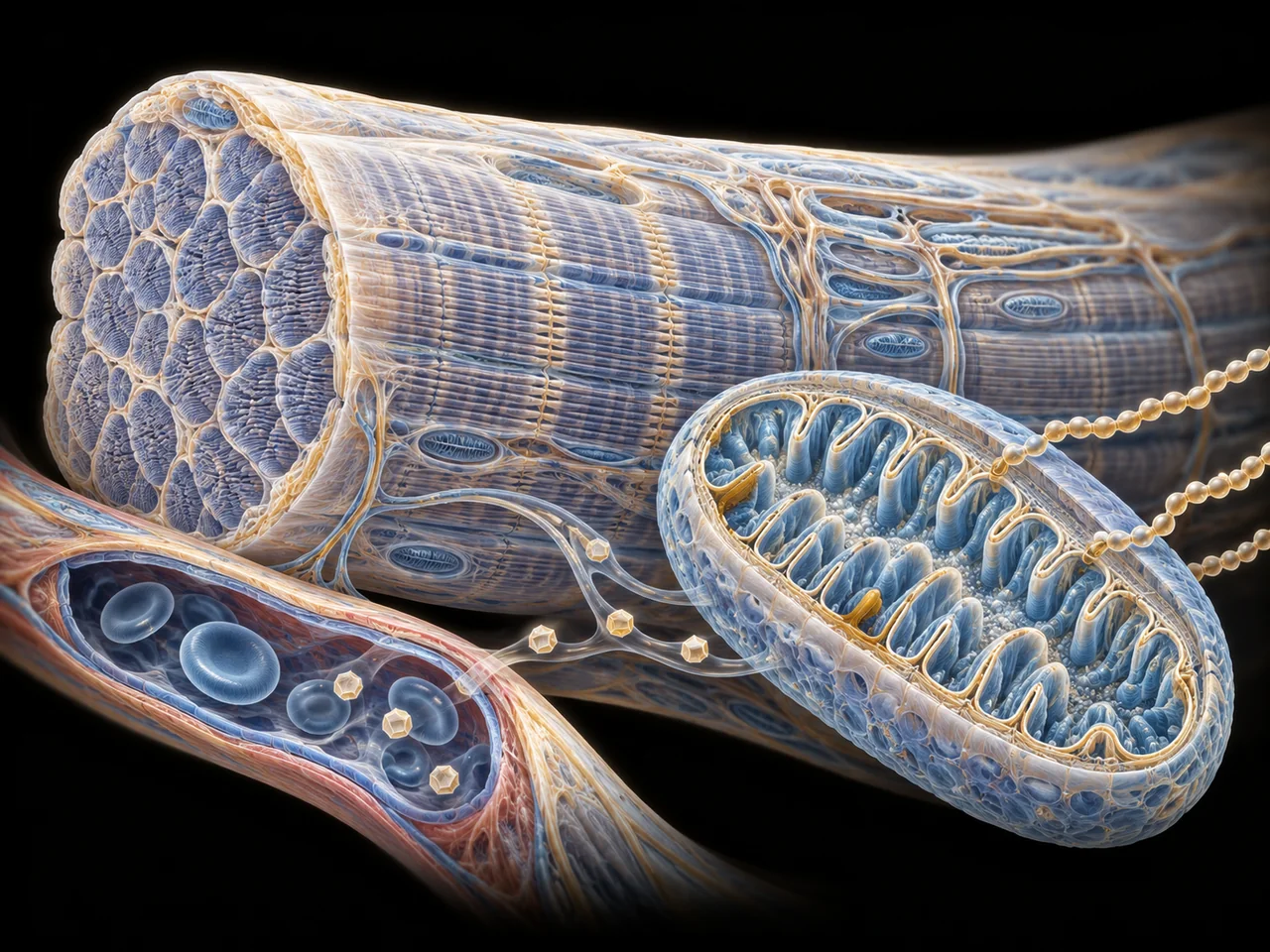
AICAR is an adenosine-related research compound, rather than a peptide. In laboratory studies the riboside form enters cells and is converted to a nucleotide that can influence AMP-activated protein kinase (AMPK), an energy-sensing pathway. Researchers use it to investigate muscle fuel handling and metabolic adaptation; the exact chemical form of a supplied material must be confirmed.
- Muscle glucose uptake
- Fatty-acid oxidation
- Energy-sensing and endurance models
PRODUCT SPECIFICATIONS
Inside the vial
50mg · AR50
Sold individually · 1 vial
Inquire about discounted pricing for a 10-vial kitNominal contents per vial. Listed contents are not a dose or instructions for use. Lot documentation controls.
100mg · AR100
Sold individually · 1 vial
Inquire about discounted pricing for a 10-vial kitNominal contents per vial. Listed contents are not a dose or instructions for use. Lot documentation controls.
RESEARCH AT A GLANCE
Potential benefits studied
Potential areas of interest involve how muscle cells use fuel and respond to energy signals. The findings below are preclinical research outcomes, rather than promised effects in people.
Isolated rat muscle and pathway experiments
Muscle glucose handling
In rat muscle experiments, AICAR increased glucose uptake. A separate pathway study found that blocking AMPK activity strongly reduced this response in muscle. These findings support studying cellular fuel transport; they do not demonstrate a diabetes treatment from a research vial.
Perfused rat-muscle study
Fat use for cellular energy
A perfused rat-muscle experiment reported increased fatty-acid oxidation alongside changes in AMPK-related signaling. This helps explain interest in how muscle selects fuel, but increased oxidation in an experimental preparation does not prove body-fat loss in people.
Mouse endurance and metabolic-gene study
Endurance-related adaptation
A mouse study reported changes in metabolic gene expression and improved treadmill endurance after AICAR exposure. It provides an animal-model signal for energy adaptation, rather than evidence that the compound replaces exercise or safely improves human performance.
EVIDENCE REALITY
Evidence at a glance
Laboratory and animal findingsThe selected studies concern isolated rat muscle, cellular pathway experiments, and mouse endurance models. They explain why AICAR is studied in metabolism, without establishing improved fitness, fat loss, glucose control, or personal-use safety from a separately sold research vial.
THE TAKEAWAY
AICAR is a laboratory tool for studying energy sensing and muscle fuel use. Promising cellular and animal results should remain distinct from proven human benefits, and the catalog material's exact chemical form needs verification.
Important distinctions
- AICAR can refer to related riboside and ribonucleotide forms; verify the lot's exact identity, chemical form, and documentation.
- Metabolic effects observed in cells or rodents do not establish a safe or effective human exercise or weight-management product.
- AMPK signaling is one part of a larger metabolic system; an experimental pathway change is not automatically a health benefit.
- Under WADA anti-doping rules, AICAR is prohibited at all times as a hormone and metabolic modulator. Laboratory availability does not make it an approved performance product.