SCIENCE · EVIDENCE · PERSPECTIVE
Five-component blend · 100 mg nominal total per vial
Beast 100
RESEARCH GUIDE
THE PRODUCT
What it is
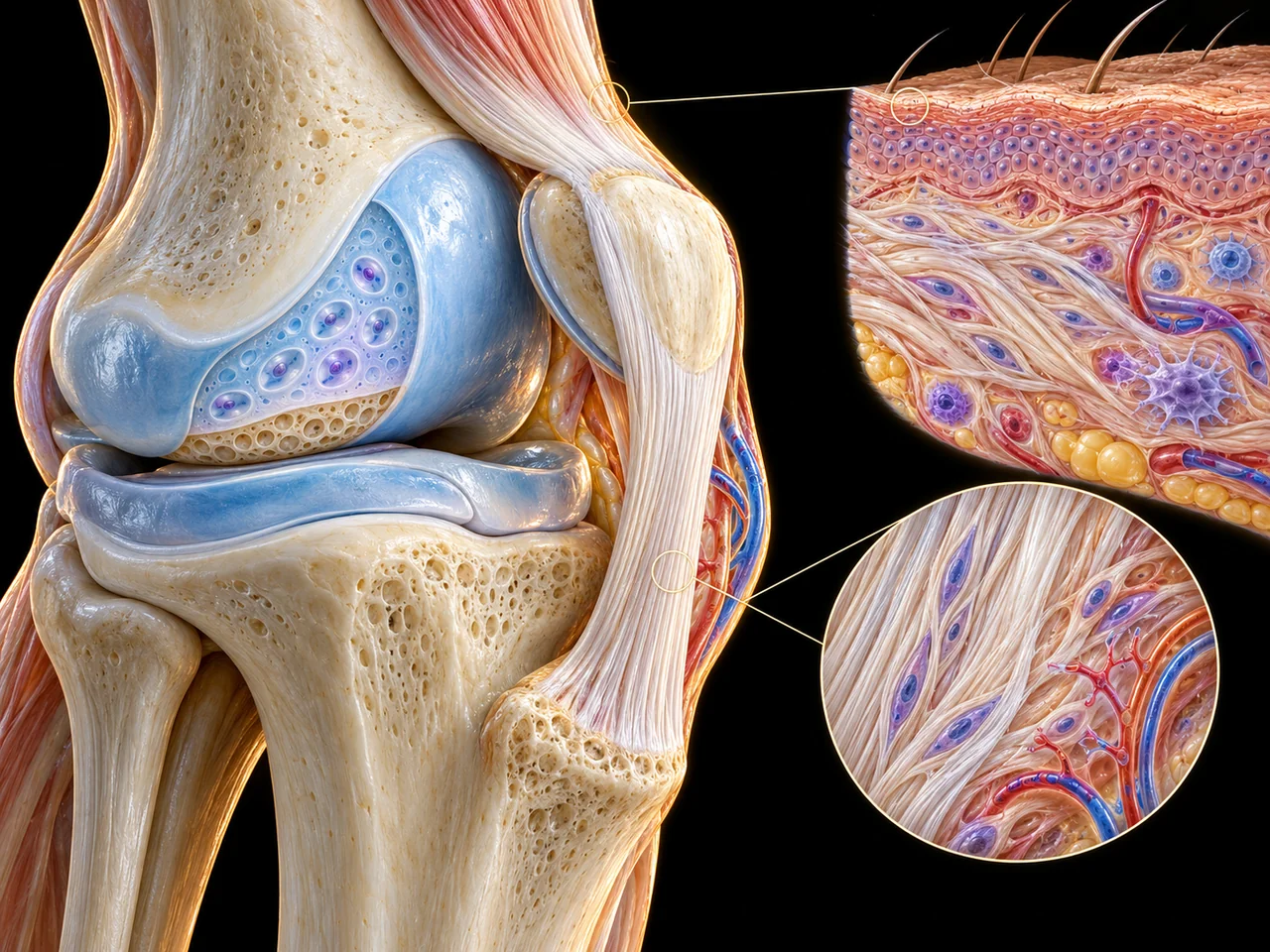
Beast 100 is a five-component research blend listing BPC-157 10 mg, TB-500 Fragment 10 mg, GHK-Cu 50 mg, KPV 10 mg, and Cartalax 20 mg per vial, totaling 100 mg. The quantities describe nominal vial contents. Its ingredients bring together separate research themes in tissue-cell responses, collagen biology, inflammatory signaling, and cartilage-forming cells.
- Tissue-cell resilience
- Collagen and tissue structure
- Inflammation and cartilage-cell signaling
PRODUCT SPECIFICATIONS
Inside the vial
100mg · Beast100
Sold individually · 1 vial
Inquire about discounted pricing for a 10-vial kitPeptides inside the vial
Per vial
- BPC-15710 mg
- TB-500 Fragment10 mg
- GHK-Cu50 mg
- KPV10 mg
- Cartalax20 mg
Total nominal content100 mg per vial
Nominal contents per vial, not a dose or an analytical result. Confirm each component and lot documentation. TB-500 fragment sequence requires lot-specific confirmation; source descriptions use inconsistent fragment numbering.
RESEARCH AT A GLANCE
Potential benefits studied
These potential research interests come from separate ingredients. They explain the scientific themes behind the blend, without establishing benefits from Beast 100 itself.
Separate ingredient · tendon-cell experiments
Tissue-cell resilience — BPC-157
A tendon-cell study reported improved cell survival under stress and greater cell movement with BPC-157. This supports a tissue-response research theme; the five-ingredient blend was not tested, and human tendon recovery was not established.
Separate ingredient · cultured cells
Collagen biology — GHK-Cu
GHK-Cu stimulated collagen synthesis in cultured fibroblasts, cells that help build connective tissue. This explains interest in skin and tissue structure, without showing collagen increases or cosmetic improvement from Beast 100 in people.
Separate ingredient · cells and mice
Inflammatory signaling — KPV
KPV reduced inflammatory signaling in intestinal cells and experimental mouse colitis. The work supports further inflammation research; it does not demonstrate that this mixture treats human inflammatory conditions.
Separate ingredient · human stem-cell cultures
Cartilage-forming cells — Cartalax
An AED study reported increased cartilage-associated gene and protein markers in aging human stem-cell cultures. These laboratory changes support cartilage-biology research, rather than proof of joint repair, cartilage regrowth, or pain relief from the blend.
EVIDENCE REALITY
Evidence at a glance
Exact-blend clinical evidence not verifiedThe cited studies investigate individual ingredients, not the finished five-component mixture. No exact-blend clinical study was verified for this guide. Combining ingredients does not establish synergy, compatibility, safety, or a stronger effect.
THE TAKEAWAY
Beast 100 combines five named ingredients with several experimental research themes. Its listed 100 mg total describes vial contents, not clinical strength, a recommended dose, or evidence of a more effective finished blend.
Important distinctions
- The exact five-component blend has not been clinically validated in the evidence reviewed for this guide.
- Verify every ingredient, nominal amount, chemical form, and lot identity; separate component research does not establish mixture stability or safety.
- TB-500 naming is inconsistent across reference documents. Confirm the precise fragment sequence and chemical form before relating it to any specific thymosin study.
- Cartilage-cell markers, collagen synthesis, and laboratory inflammation findings do not establish human injury recovery, cartilage regrowth, or disease treatment.