SCIENCE · EVIDENCE · PERSPECTIVE
Experimental tissue-response peptide
BPC-157
RESEARCH GUIDE
THE PRODUCT
What it is
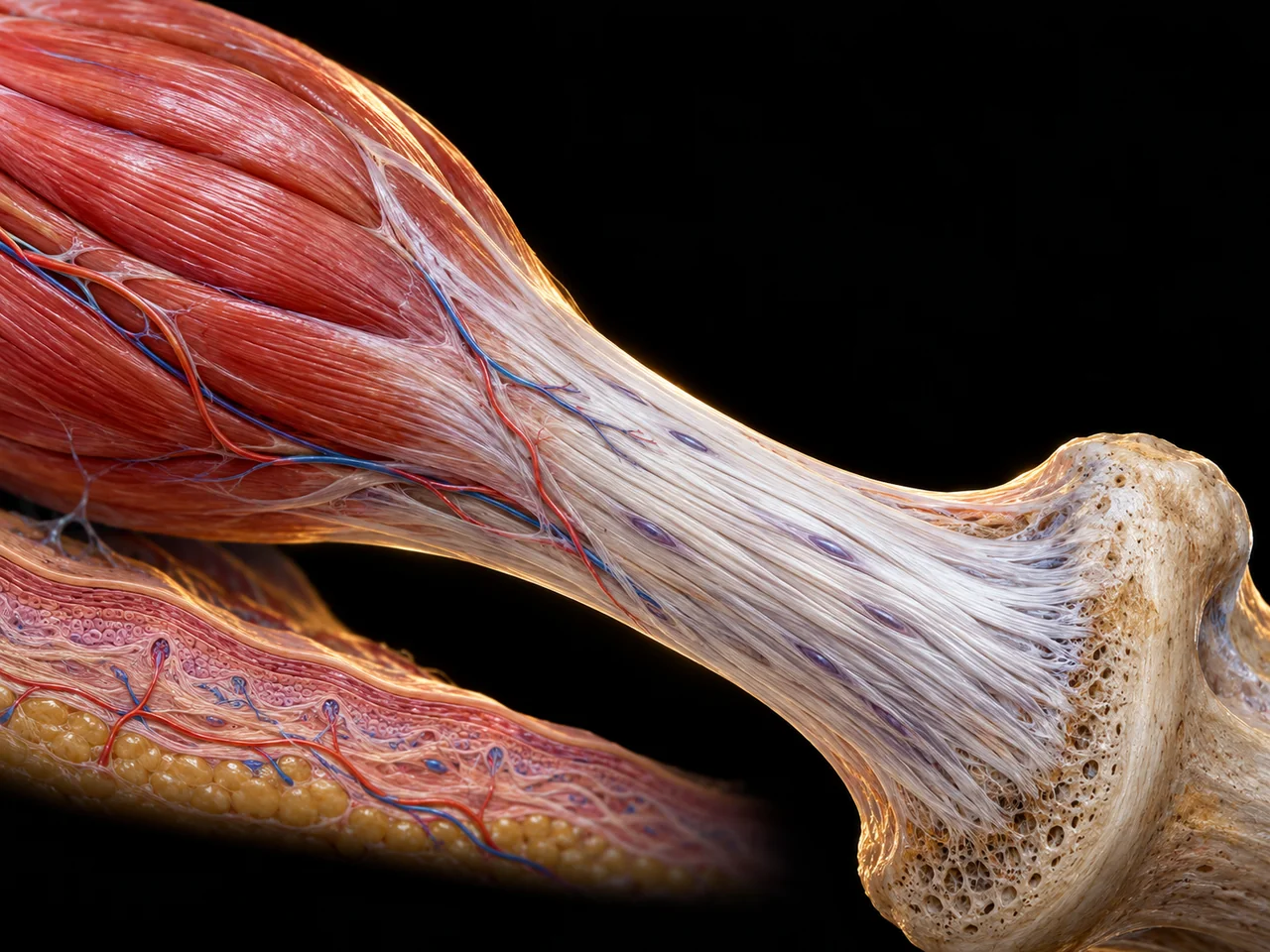
BPC-157 is a synthetic 15-amino-acid peptide studied in experimental tissue-repair models. Tendon responses, cell survival, and the development of blood vessels are prominent research topics.
- Tendon repair and tissue strength
- Cell migration and stress resilience
- Repair-related blood-vessel biology
PRODUCT SPECIFICATIONS
Inside the vial
5mg · BC05
Sold individually · 1 vial
Inquire about discounted pricing for a 10-vial kitNominal contents per vial. Listed contents are not a dose or instructions for use. Lot documentation controls.
10mg · BC10
Sold individually · 1 vial
Inquire about discounted pricing for a 10-vial kitNominal contents per vial. Listed contents are not a dose or instructions for use. Lot documentation controls.
20mg · BC20
Sold individually · 1 vial
Inquire about discounted pricing for a 10-vial kitNominal contents per vial. Listed contents are not a dose or instructions for use. Lot documentation controls.
RESEARCH AT A GLANCE
Potential benefits studied
BPC-157 attracts interest because several preclinical experiments report changes relevant to tissue repair. The findings below describe research in cells and animals, rather than established injury-recovery benefits in people.
Animal study
Tendon-repair research
In rats with a surgically injured Achilles tendon, BPC-157 improved tendon strength and other repair measurements. This is a reason for studying connective-tissue recovery, although it does not establish treatment for human tendon injuries.
Cultured cells and tissue
Cell survival under stress
Rat-derived tendon cells exposed to BPC-157 survived oxidative stress better and migrated more readily in laboratory tests. These are potentially useful repair-related responses; the experiment did not demonstrate faster recovery in people.
Cell and animal models
Blood-vessel responses
Cell and animal experiments examined BPC-157 in blood-vessel growth and reduced-blood-flow models. Improved vascular measurements support research into repair-related circulation, but do not establish a cardiovascular benefit for customers.
EVIDENCE REALITY
Evidence at a glance
Cell and animal researchThe cited primary work used rats, cultured tendon cells, and vascular models. It does not establish that an Apex research vial repairs injuries or is safe for personal use.
THE TAKEAWAY
BPC-157 has a preclinical research foundation in tissue-repair biology. Human effectiveness and safety remain unestablished for this research material.
Important distinctions
- Preclinical repair findings are not proof of human healing.
- This research material is not an established injury treatment.
- Independent lot identity and quality documentation are necessary.