SCIENCE · EVIDENCE · PERSPECTIVE
Copper-binding tripeptide
GHK-Cu
RESEARCH GUIDE
THE PRODUCT
What it is
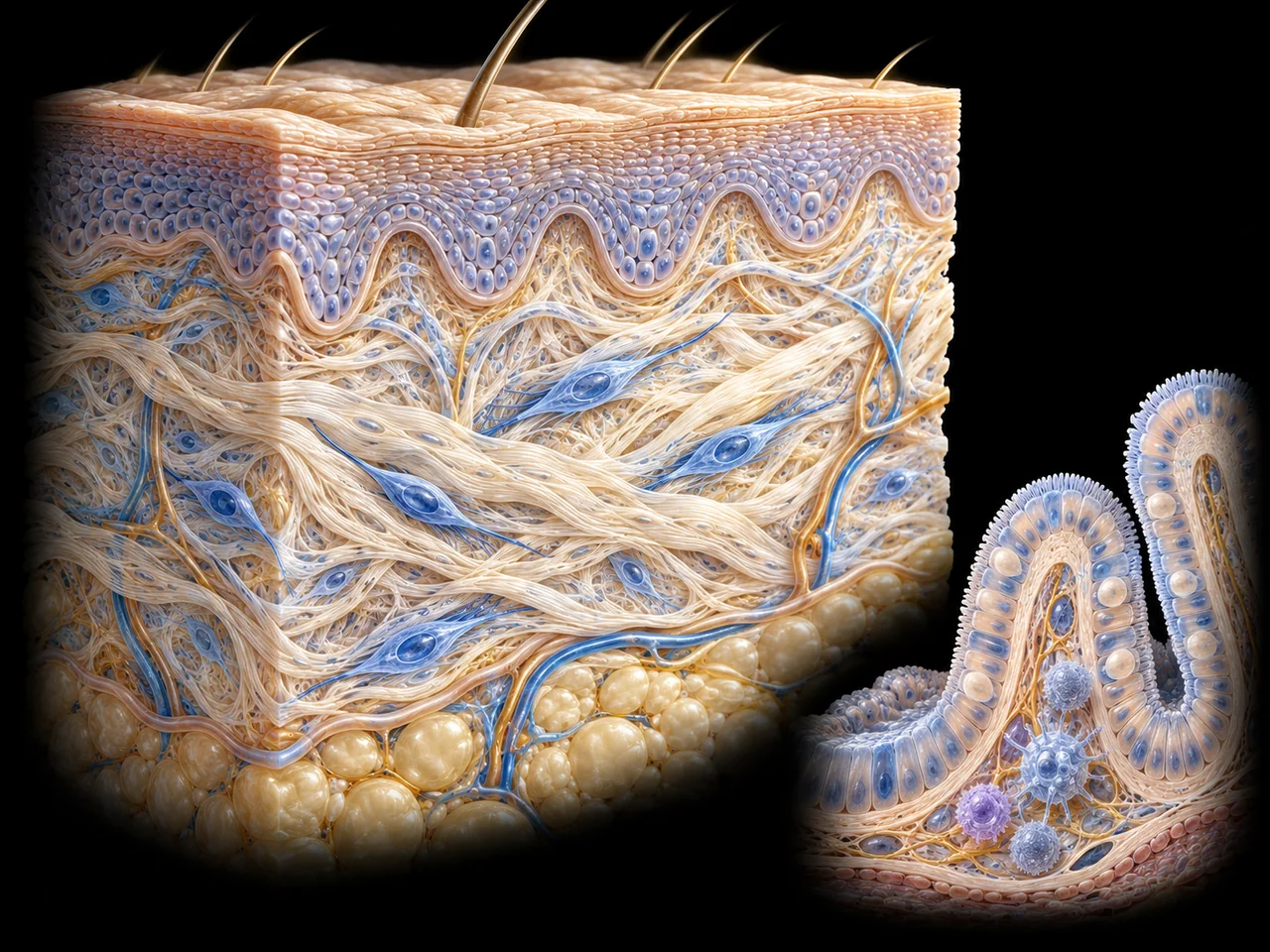
GHK-Cu is glycyl-histidyl-lysine bound to copper. This naturally occurring tripeptide complex is studied for its influence on collagen and the supporting material around cells, making skin remodeling and wound repair its main research interests.
- Collagen production and skin structure
- Extracellular-matrix remodeling
- Wound-repair biology
PRODUCT SPECIFICATIONS
Inside the vial
50mg · CU50
Sold individually · 1 vial
Inquire about discounted pricing for a 10-vial kitNominal contents per vial. Listed contents are not a dose or instructions for use. Lot documentation controls.
100mg · CU100
Sold individually · 1 vial
Inquire about discounted pricing for a 10-vial kitNominal contents per vial. Listed contents are not a dose or instructions for use. Lot documentation controls.
RESEARCH AT A GLANCE
Potential benefits studied
The most useful findings concern how connective tissue is built and remodeled. These are potential biological effects seen mainly in cells and animals, rather than established results from an Apex vial.
Cultured cells
Collagen production
GHK-Cu increased collagen synthesis in cultured fibroblasts, the cells that help build connective tissue. This provides a laboratory basis for interest in skin structure and firmness, without establishing wrinkle reduction in people.
Cultured human cells
Supporting the tissue matrix
In human fibroblast cultures, GHK-Cu increased production of certain glycosaminoglycans, molecules within the tissue's supporting matrix. The finding helps explain interest in tissue remodeling; it was not a clinical skin-hydration study.
Animal study
Wound-repair biology
A rat wound-chamber experiment found greater accumulation of collagen and other matrix material after GHK-Cu exposure. This supports further wound-repair research, but does not show that a research vial heals human wounds.
EVIDENCE REALITY
Evidence at a glance
Laboratory foundation; formulation limitsPrimary studies report collagen and matrix changes in cultured fibroblasts and rat experimental wounds. These results do not establish personal-use benefits or equivalence between this research material and finished cosmetic formulations.
THE TAKEAWAY
GHK-Cu has a meaningful laboratory foundation for collagen and tissue-remodeling research. Those findings help explain its skin-related appeal; formulation-specific human benefits remain a separate question.
Important distinctions
- Cell and animal findings do not establish effectiveness or safety in people.
- Copper content, chemical form, and lot identity require verification.
- Evidence for a finished topical formulation cannot validate another preparation or route.