SCIENCE · EVIDENCE · PERSPECTIVE
Carnitine — not a peptide
L-Carnitine
RESEARCH GUIDE
THE PRODUCT
What it is
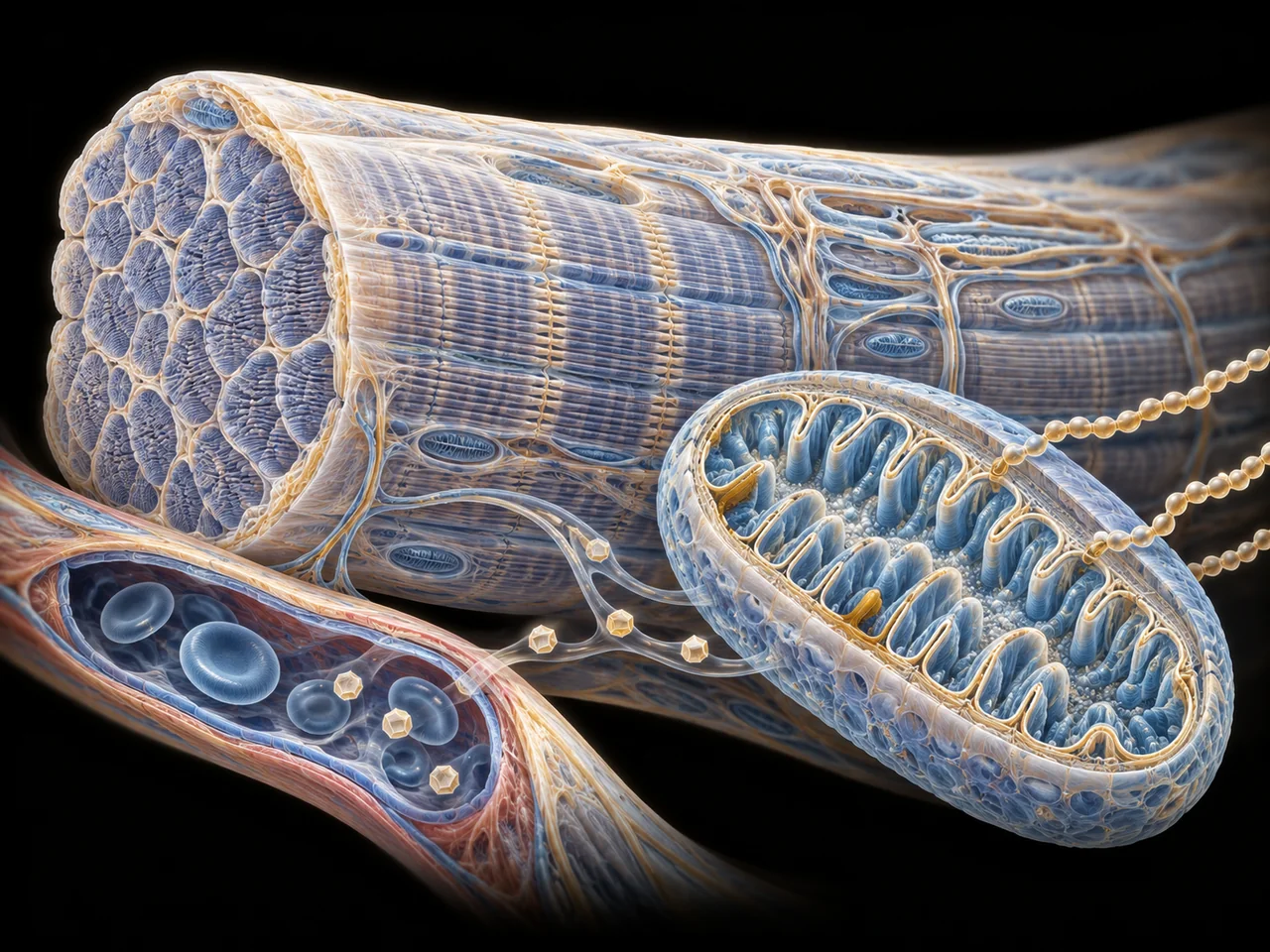
L-Carnitine is a nutrient-derived molecule involved in cellular fuel handling, rather than a peptide. Its best-established role is carrying fatty acids into mitochondria, where cells can use them to produce energy.
- Mitochondrial fatty-acid transport
- Exercise-related tissue markers
- Formulation-specific metabolic outcomes
PRODUCT SPECIFICATIONS
Inside the vial
600mg · LC600
Sold individually · 1 vial
Inquire about discounted pricing for a 10-vial kitNominal contents per vial. Listed contents are not a dose or instructions for use. Lot documentation controls.
1200mg · LC1200
Sold individually · 1 vial
Inquire about discounted pricing for a 10-vial kitNominal contents per vial. Listed contents are not a dose or instructions for use. Lot documentation controls.
RESEARCH AT A GLANCE
Potential benefits studied
Its biochemistry is established, while extra performance or weight-loss benefits are much less certain. Studies of oral preparations cannot validate a research vial.
Established nutrient biology
Fatty-acid energy production
Carnitine participates in moving long-chain fatty acids into mitochondria for oxidation. This explains its relevance to metabolic research, but the normal biological role does not establish that taking additional carnitine increases energy or causes body-fat loss.
Small oral-supplement study
Exercise-recovery research
A small controlled study of oral L-carnitine L-tartrate in trained men found less exercise-related muscle damage on imaging. This is a formulation-specific recovery signal, not proof of performance enhancement or equivalent effects from the research material sold here.
EVIDENCE REALITY
Evidence at a glance
Established biochemistry; product limitsNIH describes mixed performance and weight-loss findings. The linked recovery trial used an oral tartrate preparation in a small group, so it does not establish the efficacy or safety of a differently formulated vial.
THE TAKEAWAY
Established fatty-acid metabolism biology with limited, formulation-specific exercise findings; extra energy, fat loss and performance benefits are not guaranteed.
Important distinctions
- Nominal vial content does not specify a prepared concentration.
- Nutrient biology and supplement studies do not validate research material for personal use.