SCIENCE · EVIDENCE · PERSPECTIVE
Host-defense peptide research
LL-37
RESEARCH GUIDE
THE PRODUCT
What it is
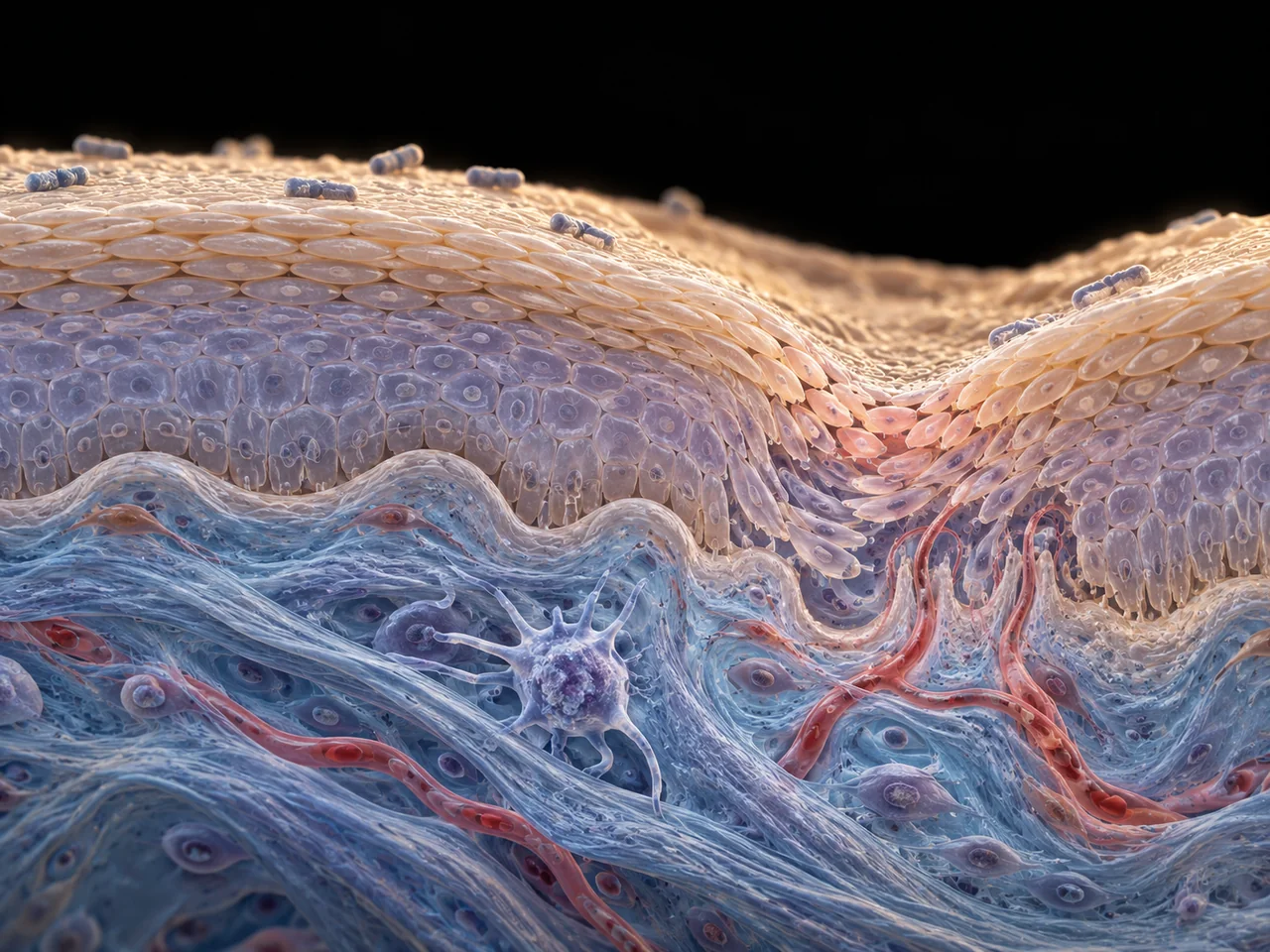
LL-37 is a human host-defense peptide from the cathelicidin family. It is studied both for antimicrobial activity and for its involvement in the cellular processes that close a wound.
- Microbial defense
- Skin-cell repair responses
- Formulation-specific wound outcomes
PRODUCT SPECIFICATIONS
Inside the vial
5mg · LL375
Sold individually · 1 vial
Inquire about discounted pricing for a 10-vial kitNominal contents per vial. Listed contents are not a dose or instructions for use. Lot documentation controls.
10 mg · LL3710
Sold individually · 1 vial
Inquire about discounted pricing for a 10-vial kitNominal contents per vial. Listed contents are not a dose or instructions for use. Lot documentation controls.
RESEARCH AT A GLANCE
Potential benefits studied
Two main areas of interest are microbial defense and skin repair. Laboratory activity and results from a particular topical formulation should be interpreted separately.
Laboratory assays
Antimicrobial activity
Laboratory assays show LL-37 acting against microbes under defined conditions. This explains its interest in host-defense research, but an assay result does not make the research material a reliable antibiotic or establish safe treatment of an infection.
Human topical trials: mixed results
Wound-repair research
A small trial of a prepared LL-37 cream reported improved granulation in mildly infected diabetic foot ulcers. A larger venous-ulcer trial found no overall healing benefit, so any potential wound-repair effect remains dependent on setting and formulation.
EVIDENCE REALITY
Evidence at a glance
Laboratory evidence and mixed human topical trialsThe 2021 phase IIb venous-ulcer trial did not show significant healing improvement in the full population. The smaller diabetic-foot trial had a positive granulation signal without reducing measured inflammatory markers or bacterial colonization.
THE TAKEAWAY
A host-defense peptide with antimicrobial laboratory activity and mixed clinical wound findings; it is not an established infection or wound treatment for customers.
Important distinctions
- A research vial is not equivalent to the topical products studied in clinical trials.
- A naturally occurring antimicrobial peptide is not automatically safe when supplied externally.