SCIENCE · EVIDENCE · PERSPECTIVE
Mitochondrial peptide research
MOTS-C
RESEARCH GUIDE
THE PRODUCT
What it is
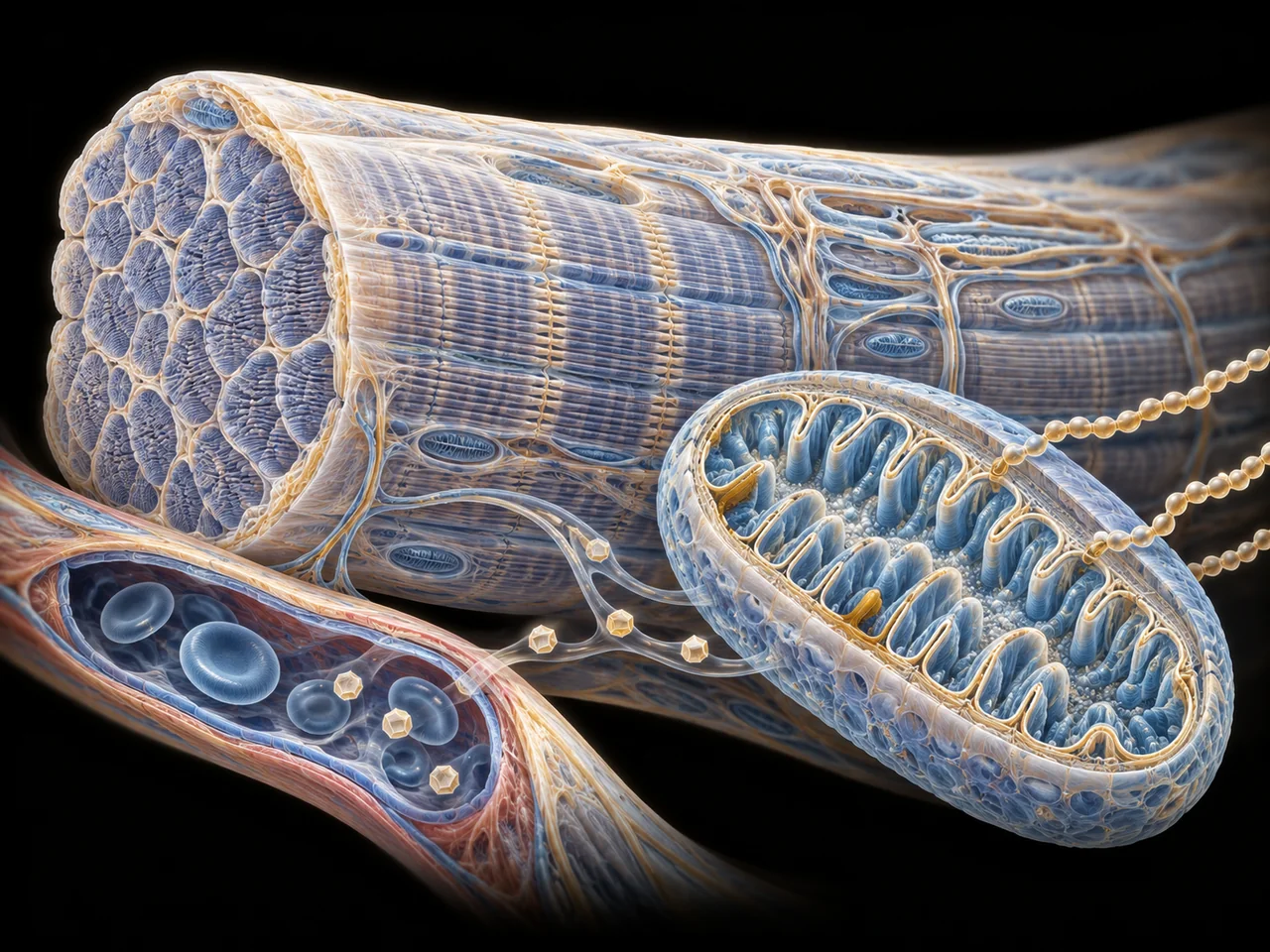
MOTS-C is a 16-amino-acid mitochondrial-derived peptide studied as a metabolic signal. Its main research interests are how muscles handle fuel, respond to stress, and maintain physical capacity.
- Muscle glucose and fuel handling
- Physical-performance models
- Metabolic stress adaptation
PRODUCT SPECIFICATIONS
Inside the vial
40mg · MS40
Sold individually · 1 vial
Inquire about discounted pricing for a 10-vial kitNominal contents per vial. Listed contents are not a dose or instructions for use. Lot documentation controls.
10mg · MS10
Sold individually · 1 vial
Inquire about discounted pricing for a 10-vial kitNominal contents per vial. Listed contents are not a dose or instructions for use. Lot documentation controls.
20mg · MS20
Sold individually · 1 vial
Inquire about discounted pricing for a 10-vial kitNominal contents per vial. Listed contents are not a dose or instructions for use. Lot documentation controls.
RESEARCH AT A GLANCE
Potential benefits studied
MOTS-C is interesting because mitochondrial signals may influence metabolism beyond energy production alone. Published experiments report metabolic and physical-performance effects, with the intervention evidence described here coming from cells and mice.
Cell and animal research
Glucose handling and metabolic balance
In mouse experiments, MOTS-C improved insulin-related metabolic measurements and limited high-fat-diet-associated metabolic changes. These findings support investigation of muscle fuel handling, but do not establish a treatment for diabetes or weight loss in people.
Mouse intervention · human exercise observations
Physical capacity
MOTS-C improved running performance in young and older mice. Human participants in the same research showed an increase in their own MOTS-C after exercise; they were not given an Apex product or a MOTS-C treatment.
Cultured muscle cells
Muscle stress adaptation
Laboratory muscle-cell experiments found changes in adaptation to metabolic stress after MOTS-C exposure. This helps explain interest in maintaining muscle function with aging, without proving an anti-aging or endurance benefit for customers.
EVIDENCE REALITY
Evidence at a glance
Cell and animal researchPrimary cell and mouse studies support these research themes. The human evidence cited concerns exercise-induced endogenous MOTS-C, not proof of benefit from this research vial.
THE TAKEAWAY
MOTS-C is a mitochondrial signaling research material with promising preclinical metabolic and muscle findings. Evidence about natural exercise responses in humans is different from evidence for taking a supplied peptide.
Important distinctions
- Mouse performance findings cannot be assumed to predict human endurance.
- Natural MOTS-C levels do not validate a supplied formulation.
- This material is not an established weight-loss, diabetes, or anti-aging treatment.