SCIENCE · EVIDENCE · PERSPECTIVE
Redox coenzyme — not a peptide
NAD+
RESEARCH GUIDE
THE PRODUCT
What it is
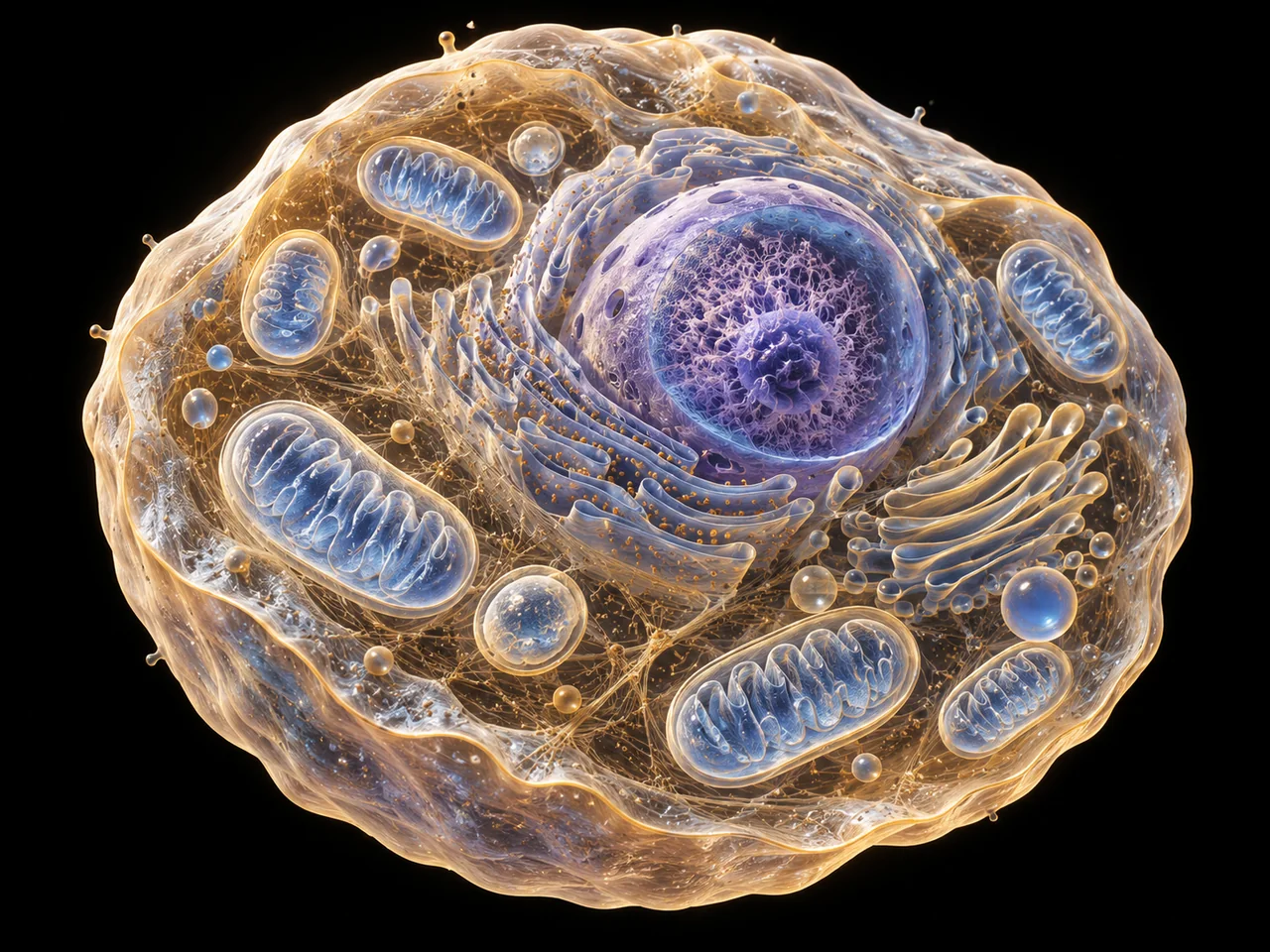
NAD+ is nicotinamide adenine dinucleotide, a coenzyme rather than a peptide. Cells naturally use it in energy metabolism and enzymes involved in maintaining and regulating cellular functions.
- Energy-transfer reactions
- Genome maintenance and gene regulation
- Cellular cofactor biology
PRODUCT SPECIFICATIONS
Inside the vial
1000mg · NJ1000
Sold individually · 1 vial
Inquire about discounted pricing for a 10-vial kitNominal contents per vial. Listed contents are not a dose or instructions for use. Lot documentation controls.
100mg · NJ100
Sold individually · 1 vial
Inquire about discounted pricing for a 10-vial kitNominal contents per vial. Listed contents are not a dose or instructions for use. Lot documentation controls.
500mg · NJ500
Sold individually · 1 vial
Inquire about discounted pricing for a 10-vial kitNominal contents per vial. Listed contents are not a dose or instructions for use. Lot documentation controls.
RESEARCH AT A GLANCE
Potential benefits studied
NAD+ has well-established roles inside cells. Those roles explain interest in energy and cellular-maintenance research, but do not demonstrate that adding a supplied NAD+ product improves energy, cognition, or longevity.
Established cellular biochemistry
Cellular energy production
NAD participates in reactions that transfer energy from carbohydrates, fats, and proteins into ATP, the cell's energy currency. This is established biochemical function, not proof that the catalog material increases a person's energy.
Established cellular biochemistry
Cellular maintenance and signaling
NAD-dependent enzymes contribute to genome integrity, gene regulation, and cellular communication. These functions help explain healthy-aging research interest; an important endogenous role does not establish an anti-aging benefit from this vial.
Small human metabolome pilot — clinical benefit not tested
What direct human research measured
A small pilot tracked blood and urine metabolites during a supervised NAD+ infusion. It found time-dependent handling and breakdown of the supplied molecule. This provides human metabolism information, but the study did not establish improvements in fatigue, memory, healthy aging, or outcomes from this catalog vial.
EVIDENCE REALITY
Evidence at a glance
Established biochemistry; limited human exposure researchNIH describes NAD's established cellular functions. A small human infusion pilot measured NAD-related metabolites, rather than energy, cognition, disease outcomes, or longevity. Neither type of evidence validates this catalog preparation.
THE TAKEAWAY
NAD+ is central to normal cellular function, and a small pilot describes how administered NAD+ was processed in humans. This does not establish wellness benefits; precursor studies cannot substitute for evidence on this supplied NAD+ material.
Important distinctions
- NAD+, niacin, NMN, and other precursors are different materials.
- An endogenous role does not prove energy, cognitive, or longevity benefits from a vial.
- Chemical form, stability, and analytical suitability require documentation.