SCIENCE · EVIDENCE · PERSPECTIVE
Short-peptide neuronal models
Pinealon
RESEARCH GUIDE
THE PRODUCT
What it is
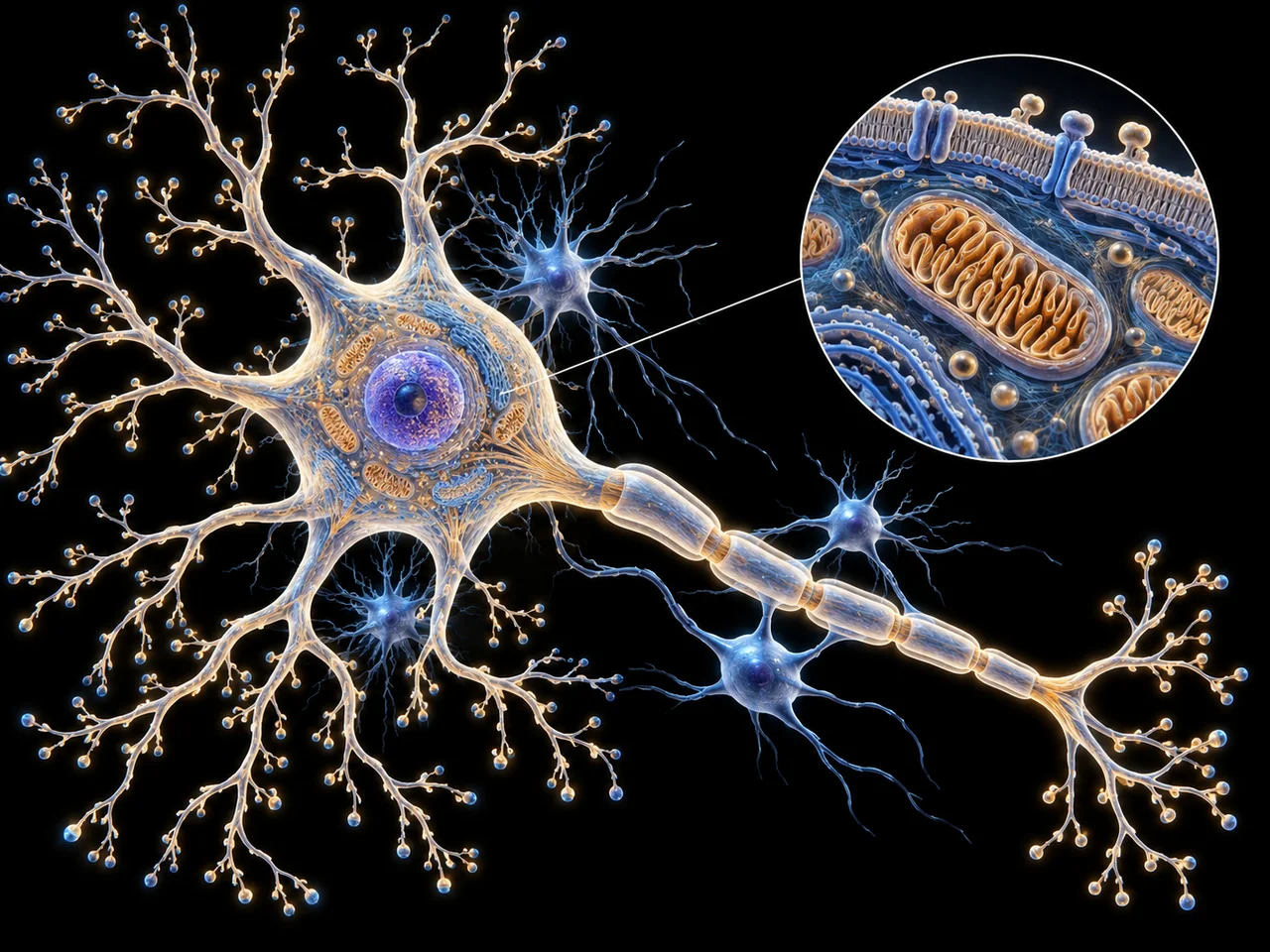
Pinealon is associated with the tripeptide Glu-Asp-Arg, or EDR. It is studied in neuronal aging and oxidative-stress models, including experiments examining how nerve cells maintain their structure under stress.
- Neuronal structure during aging
- Oxidative-stress resilience
- Model-specific learning outcomes
PRODUCT SPECIFICATIONS
Inside the vial
10mg · PIN10
Sold individually · 1 vial
Inquire about discounted pricing for a 10-vial kitNominal contents per vial. Listed contents are not a dose or instructions for use. Lot documentation controls.
5mg · PIN05
Sold individually · 1 vial
Inquire about discounted pricing for a 10-vial kitNominal contents per vial. Listed contents are not a dose or instructions for use. Lot documentation controls.
20 mg · PIN20
Sold individually · 1 vial
Inquire about discounted pricing for a 10-vial kitNominal contents per vial. Listed contents are not a dose or instructions for use. Lot documentation controls.
RESEARCH AT A GLANCE
Potential benefits studied
Pinealon research focuses on neuronal structure and stress resilience. Most evidence comes from cell and animal models; limited human reports do not establish cognitive or healthy-aging benefits.
Induced human-neuron cultures
Neuronal branching
In neurons derived from older human donors' skin cells, EDR increased the branching of nerve-cell extensions. This is relevant to neuronal maintenance research, but cells in a dish cannot demonstrate preserved memory or prevention of neurodegenerative disease.
Rat stress model
Resilience to oxidative stress
In a specific prenatal stress model, rat offspring exposed to Pinealon showed improved learning measures and more stress-resistant isolated neurons. This supports further neuroprotection research, while leaving human cognitive benefit and safety unproven.
Limited human reports; surrogate indicators
Human research: substantial limits
A locomotive-crew report described changes in adaptation and biological-age indicators. Another involving Pinealon and Vesugen reported marker changes in adults with multiple chronic conditions. Major design details are unclear from the abstracts; these reports do not establish improved memory, slower aging, or benefits from an Apex vial.
EVIDENCE REALITY
Evidence at a glance
Preclinical evidence; limited human reportsThe 2024 culture study reported increased neuronal branching, but no effect of tripeptides on measured mitochondrial activity, lysosomal activity or p16. The rat findings came from a particular experimentally induced developmental stress model. Human reports use surrogate indicators with incompletely described methods; findings involving Pinealon and Vesugen cannot all be attributed to Pinealon.
THE TAKEAWAY
An experimental neuronal peptide with cell and animal findings and limited human reports; reliable clinical memory or healthy-aging benefits remain unestablished.
Important distinctions
- Results in donor-derived cells are not a clinical trial.
- Confirm EDR identity; the research does not support use during pregnancy or for cognitive treatment.
- A human report involving Pinealon and Vesugen also described prooxidant activity and reduced CD34+ blood-cell markers; it does not establish Pinealon safety.