SCIENCE · EVIDENCE · PERSPECTIVE
1,200 mg nominal total per vial
Pink Gluta
RESEARCH GUIDE
THE PRODUCT
What it is
Pink Gluta is listed as a 1,200 mg vial. This is the nominal total vial specification, not a concentration per mL. Its color-coded name is associated with glutathione research, but neither the name nor total weight establishes every ingredient, the glutathione form, or any excipients.
- Cellular redox balance
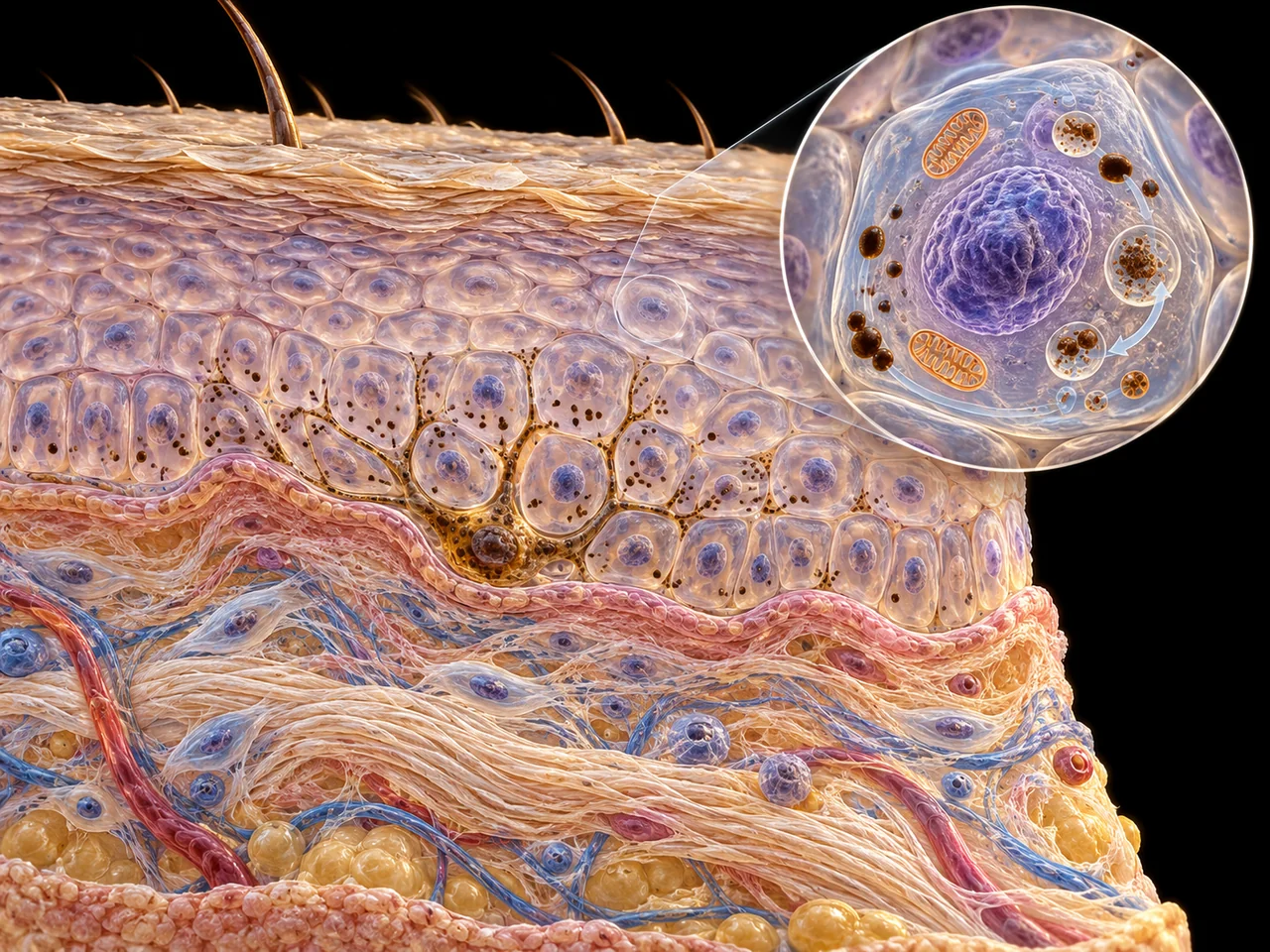
- Skin-cell stress responses
- Formulation-specific pigmentation research
PRODUCT SPECIFICATIONS
Inside the vial
1200 mg · ADL-PGL1200
Sold individually · 1 vial
Inquire about discounted pricing for a 10-vial kitVial contents
Per vial
Total nominal content1,200 mg per vial
Nominal contents: 1,200 mg per vial. The listed size does not identify every ingredient or excipient; consult the lot label for the complete formulation.
RESEARCH AT A GLANCE
Glutathione research, if composition is confirmed
These topics concern glutathione itself. They do not confirm all ingredients in Pink Gluta or establish cosmetic or health outcomes from this exact formulation.
Cell and experimental skin biology
Cellular antioxidant defenses
Glutathione helps cells manage reactive compounds involved in oxidative stress. Primary skin-cell research illustrates its place within a wider antioxidant network, making redox balance a relevant research topic if glutathione identity is confirmed in the supplied formulation.
Experimental skin-cell model
Skin-cell resilience
Experimental disruption of glutathione production changed skin-cell survival and repair responses, showing why it matters to skin integrity. This is evidence about cellular biology, not proof that a Pink Gluta vial improves skin appearance or accelerates wound healing in people.
Separate oral/topical study; exact formula unverified
Pigmentation research
Small studies of oral or topical glutathione have examined changes in skin-pigment measurements. Those formulation-specific findings cannot validate an injectable or unidentified Gluta product, and they do not establish a safe skin-lightening use for this research material.
EVIDENCE REALITY
Evidence at a glance
Composition and evidence gapThe nominal vial size is 1,200 mg. Glutathione cell research explains potential biological relevance, while the small skin-pigmentation trial used different oral and topical preparations. No matched controlled trial of Pink Gluta was verified.
THE TAKEAWAY
Pink Gluta is specified as 1,200 mg per vial. Glutathione research offers ingredient-level context, while the full formula and exact-product cosmetic benefits remain unverified.
Important distinctions
- The 1,200 mg figure is the nominal vial specification; the complete ingredient breakdown and chemical forms still require confirmation.
- No skin-lightening, wound-treatment, injection, or personal-use recommendation is provided.