SCIENCE · EVIDENCE · PERSPECTIVE
Mitochondrial cardiolipin research
SS-31
RESEARCH GUIDE
THE PRODUCT
What it is
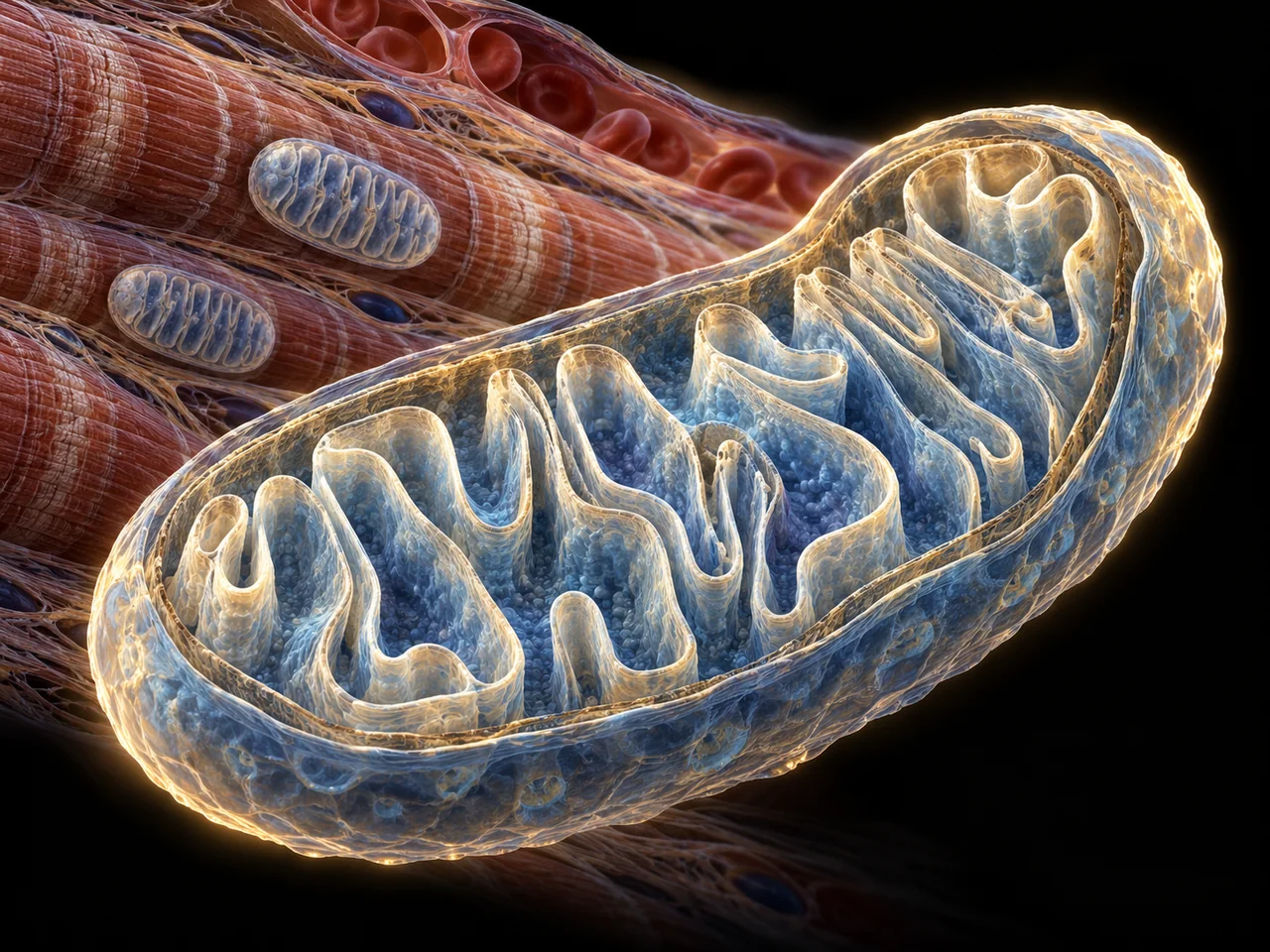
SS-31 is commonly used as a name for elamipretide, a mitochondria-targeting peptide. Researchers study how it interacts with cardiolipin, a lipid important to mitochondrial structure and energy production.
- Mitochondrial ATP production
- Muscle-fatigue research
- Formulation-specific clinical evidence
PRODUCT SPECIFICATIONS
Inside the vial
10mg · 2S10
Sold individually · 1 vial
Inquire about discounted pricing for a 10-vial kitNominal contents per vial. Listed contents are not a dose or instructions for use. Lot documentation controls.
50mg · 2S50
Sold individually · 1 vial
Inquire about discounted pricing for a 10-vial kitNominal contents per vial. Listed contents are not a dose or instructions for use. Lot documentation controls.
RESEARCH AT A GLANCE
Potential benefits studied
SS-31 has a laboratory and clinical research history, but the evidence depends on the model and formulation. A specific approved elamipretide medicine is distinct from the Apex catalog research vial.
Biochemical and mitochondrial models
Mitochondrial energy efficiency
Experiments in isolated mitochondria found that SS-31 improved electron transport and the efficiency of ATP production through cardiolipin-related interactions. This provides a direct energy-biology research basis, without establishing a general energy benefit in people.
Animal study
Muscle fatigue and endurance models
In aged mice, SS-31 improved mitochondrial energy measurements and muscle fatigue resistance; a longer experiment also improved running endurance. These results support muscle-aging research, but do not validate fitness or anti-aging claims for this vial.
Formulation-specific regulatory evidence
Clinical evidence — specific medicine
FDA granted a specific elamipretide medicine accelerated approval for Barth syndrome in patients weighing at least 30 kg. Approval relied on knee-muscle strength, with a confirmatory trial required; it does not cover this research product.
Phase 3 randomized human trial; primary endpoints not met
Larger human trial: no overall benefit
In MMPOWER-3, 218 people with genetically confirmed primary mitochondrial myopathy were randomized to elamipretide or placebo. After 24 weeks, the study found no improvement over placebo in six-minute walking distance or total fatigue. This different disease population does not settle the Barth syndrome question, but it limits broad energy and endurance claims.
EVIDENCE REALITY
Evidence at a glance
Approved medicine exists; vial is distinctMitochondrial and aged-mouse findings are promising, but human results depend on the disease and formulation. A larger primary mitochondrial myopathy trial did not improve walking distance or fatigue; the separate 2025 Barth syndrome accelerated approval requires confirmation of clinical benefit.
THE TAKEAWAY
SS-31 has meaningful mitochondrial research, mixed human findings and a narrowly defined pharmaceutical precedent. Neither the animal results nor a disease-specific approval establishes general energy, fitness or anti-aging benefits for a catalog research vial.
Important distinctions
- This research vial is not the FDA-approved medicine.
- A disease-specific approval is not evidence for general anti-aging, energy, or fitness claims.
- Chemical form, identity, and pharmaceutical equivalence must not be assumed.