SCIENCE · EVIDENCE · PERSPECTIVE
Blend research — component evidence is separate
Wolverine
RESEARCH GUIDE
THE PRODUCT
What it is
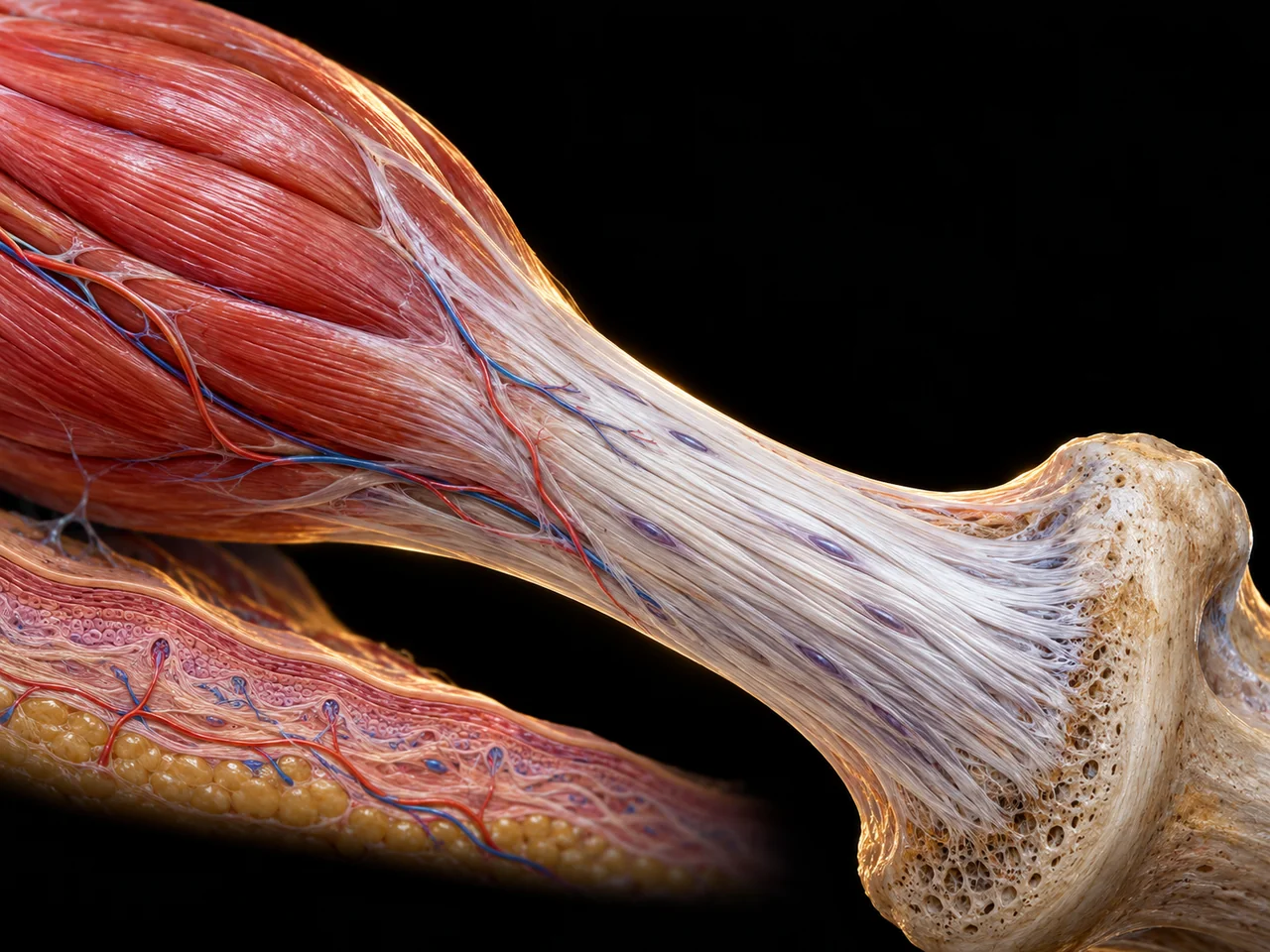
Wolverine is the catalog blend of BPC-157 and TB-500. It is associated with soft-tissue repair research through the separate components. The TB-500 name requires sequence and chemical-form confirmation.
- Connective-tissue repair models
- Defined-fragment wound research
- Blend identity and component matching
PRODUCT SPECIFICATIONS
Inside the vial
20mg · BB20
Sold individually · 1 vial
Inquire about discounted pricing for a 10-vial kitPeptides inside the vial
Per vial
- BPC-15710 mg
- TB-500 Fragment10 mg
Total nominal content20 mg per vial
Nominal contents per vial, not a dose or an analytical result. Confirm each component and lot documentation. TB-500 fragment sequence requires lot-specific confirmation; source descriptions use inconsistent fragment numbering.
RESEARCH AT A GLANCE
Potential benefits studied
These potential areas of interest are based on separate ingredients or clearly identified related fragments. They explain the research focus; they do not establish a benefit, synergy, or stronger effect from the finished blend.
Separate ingredient · animal study
Tendon-repair measurements — BPC-157
BPC-157 improved repair-related measurements in an injured rat Achilles-tendon model. This provides a preclinical connective-tissue research theme for Wolverine, but it does not validate the blend or human injury recovery.
Related fragment · animal study
Skin repair — defined-fragment context
A non-acetylated thymosin-beta-4 fragment, LKKTETQ, supported dermal repair in aged mice. The finding is relevant only as related-fragment background until the catalog TB-500 component is matched to the studied material.
EVIDENCE REALITY
Evidence at a glance
Exact-blend clinical evidence not verifiedPrimary studies examine individual components or specified related fragments. The exact catalog blend has not been clinically validated, and separate findings do not establish mixture compatibility or effectiveness.
THE TAKEAWAY
Wolverine is best understood as a repair-focused experimental blend. No verified clinical comparison shows that this combination accelerates human healing or works better than either ingredient.
Important distinctions
- The exact blend has not been clinically validated.
- Verify every ingredient, ratio, chemical form, and lot identity; component papers do not establish mixture safety or stability.
- TB-500 naming does not establish equivalence to a non-acetylated LKKTETQ fragment, an acetylated fragment, or full-length thymosin beta-4.